
Traditional Chinese Medicine’s View of Lung Heat
Heat in TCM Theory
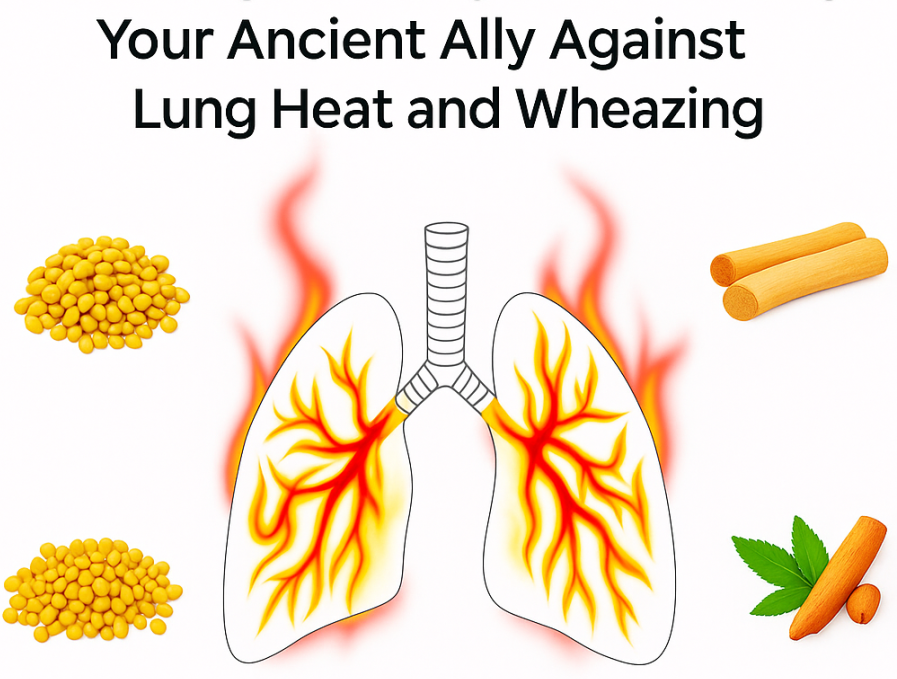
In TCM, “heat” denotes an excess of yang energy causing inflammation, dryness, and qi stagnation. When heat lodges in the lungs, it disrupts Lung Qi, leading to:
Feverish sensations in the chest
Dry, hacking coughs with yellow or scanty sputum
Thirst and irritability
Rapid, slippery pulse
Historical Remedies for Clearing Lung Heat
Chinese herbalists have addressed heat in the lungs for millennia. Early texts like the Shang Han Lun and Wen Bing Lun prescribe cooling, dispersing, and moistening herbs to restore balance:
Licorice root (Gan Cao): soothes airways, reduces inflammation, and harmonizes formulas.
Mullein (Ji Gua) and marshmallow root (Yi Mi Cao): clear phlegm and calm irritated tissues.
Ephedra (Ma Huang): gently vents pathogens and opens airways, often paired with cooling ingredients to prevent overheating.
These formulas emphasize personalized treatment—balancing heat-clearing, fluid generation, and Qi regulation based on each patient’s constitution and symptoms
Spotlight on Ma Xing Shi Gan Tang
Origins and Composition
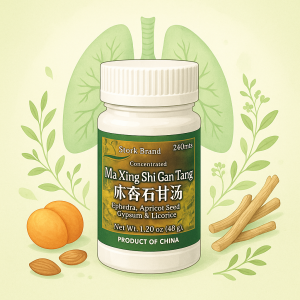
Ma Xing Shi Gan Tang (Ephedra, Apricot Kernel, Gypsum, and Licorice Decoction) first appeared in Zhang Zhong Jing’s Shang Han Lun (~220 AD). Its four ingredients work synergistically:
Ma Huang (Ephedra): vents Lung Qi and relieves wheezing
Xing Ren (Bitter Apricot Kernel): directs rebellious Qi downward to stop cough
Shi Gao (Gypsum): clears intense heat, nourishes fluids, and cools the lungs
Zhi Gan Cao (Honey-Fried Licorice): harmonizes the formula and moistens lung tissues
How It Works
By combining a warm, dispersing herb with powerful cooling agents and Qi-regulating licorice, Ma Xing Shi Gan Tang:
Expels pathogen-induced heat
Opens constricted airways and eases breathing
Stops cough by redirecting lung qi
Prevents fluid loss and protects yin
Clinical Applications
This formula is tailored for patterns such as:
Wind-heat attacking the lungs (fever, thirst, rapid pulse)
Wind-cold transforming into heat in the chest
Qi-stage lung heat of warm diseases (high fever, irritability, yellow sputum)
Concurrent Tai Yang and Yang Ming invasion with prominent lung heat
It’s commonly employed in acute bronchitis, pneumonias, scarlet fever, and asthma when heat signs dominate.
Usage and Precautions
Typical dosage: twice daily for short courses (2–5 days) under TCM supervision.
Not suitable for cold-pattern coughs (clear sputum, aversion to cold).
Use cautiously in Qi or Yin deficiency, the elderly, children, and those on cardiovascular medications (due to Ma Huang’s ephedrine-like effects).
Embrace the wisdom of millennia to combat modern lung-heat challenges. Consult a licensed TCM practitioner to personalize Ma Xing Shi Gan Tang and breathe easier—today and beyond.
For further information on statistics and some studies on the remedy, refer to sources such as:


Popular Posts
- Natural Relief for Pink Eye: Is Euphrasia the Homeopathic Remedy You’ve Been Looking For?
- Cool Your Lungs, Calm the Heat: Ma Xing Shi Gan Tang’s Ancient Path to Modern Respiratory Relief
- Understanding Diabetes: Types, Symptoms, and Management

- Natural Remedies for Hypertension: Simple Tips to Control High Blood Pressure

- Natural Remedies for Allergies: Your Guide to an Allergy-Free Life