

Understanding Diabetes: Types, Symptoms, and Management
October 30, 2024 The Herbal Store
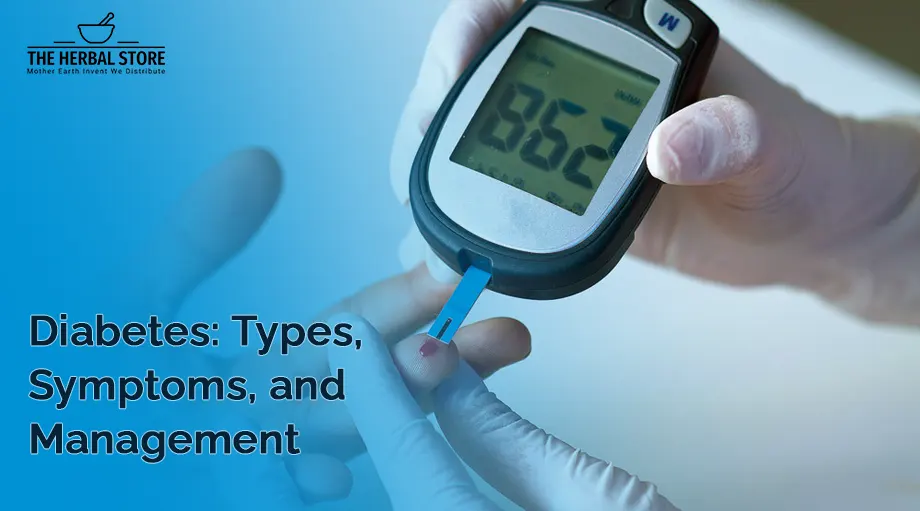
Diabetes is a chronic health condition that occurs when the body either does not produce enough insulin or cannot effectively use the insulin it produces. Insulin, a hormone made by the pancreas, is essential for allowing glucose (sugar) to enter cells, where it provides energy. When insulin function is impaired, blood sugar levels can rise, leading to hyperglycemia. Over time, high blood sugar can damage organs and tissues, making effective diabetes management crucial.
Managing Diabetes:
Managing diabetes involves lifestyle changes, medical treatments, and education. Raising awareness about diabetes is vital for improving the quality of life for those affected. Below is a detailed look at diabetes in the United States, including its prevalence, costs, and types.
Types of Diabetes in the U.S.
Type 1 Diabetes – Type 1 diabetes is an autoimmune disorder where the immune system attacks insulin-producing cells in the pancreas. It accounts for about 5-10% of all diabetes cases in the U.S., affecting around 1.6 million people, including many children and young adults. Those with Type 1 diabetes require daily insulin injections or infusions to manage their blood sugar levels.
Type 2 Diabetes – Type 2 diabetes is the most common form, making up 90-95% of all cases. It occurs when the body becomes resistant to insulin or does not produce enough insulin. Over 38 million people in the U.S. have Type 2 diabetes. Key risk factors include obesity, lack of physical activity, old age, and family history.
Gestational Diabetes – Gestational diabetes develops during pregnancy and affects about 2-10% of pregnancies in the U.S. Although blood sugar levels usually return to normal after childbirth, women who experience gestational diabetes are at higher risk for developing Type 2 diabetes later on.
Prediabetes – Prediabetes is a condition where blood sugar levels are higher than normal but not yet high enough to be classified as Type 2 diabetes. Approximately 96 million adults in the U.S., or about one-third of the adult population, have prediabetes. Without lifestyle changes, many individuals with prediabetes will progress to Type 2 diabetes.
Complications of Diabetes:
If left uncontrolled, diabetes can lead to severe complications:
- Heart Disease: Increased risk of heart disease and stroke.
- Kidney Failure: Diabetes is a leading cause of kidney failure.
- Vision Loss: Diabetic retinopathy can cause blindness.
- Nerve Damage: Peripheral neuropathy can lead to pain and loss of sensation.
- Foot Problems: Poor circulation and nerve damage can result in foot infections and amputations.
Diabetes remains one of the leading causes of death in the U.S., highlighting the importance of effective blood sugar control.
| Category | Statistic |
| Diabetes Prevalence | 38.4 million Americans have diabetes (11.6% of population) |
| Type 1 Diabetes | 5-10% of cases; approximately 1.6 million affected |
| Type 2 Diabetes | Accounts for 90-95% of cases |
| Prediabetes Prevalence | Approximately 96 million U.S. adults have prediabetes |
| Gestational Diabetes | Affects about 2-10% of pregnancies annually |
| Diabetes in Seniors | 29.2% of adults aged 65 or older have diabetes |
| Economic Impact | The cost of diabetes increased to $412.9 billion in 2022 |
Common Symptoms of Diabetes:
Recognizing the symptoms of diabetes is crucial for early diagnosis and management:
- Frequent urination
- Increased thirst
- Unexplained weight loss
- Fatigue
- Blurred vision
- Slow-healing wounds
If untreated, these symptoms can lead to serious complications such as heart disease and kidney damage.
Effective Lifestyle Changes for Managing Diabetes
To manage diabetes effectively, consider these lifestyle changes:
Dietary Changes – Eat a balanced diet rich in vegetables, whole grains, lean proteins, and healthy fats. Limit sugary foods and beverages while monitoring your carbohydrate intake.
Physical Activity – Aim for at least 150 minutes of moderate aerobic exercise each week to improve insulin sensitivity and help manage blood sugar levels.
Weight Management – Losing even a small amount of weight (5-10% of your body weight) can significantly improve blood sugar control.
Blood Sugar Monitoring – Regularly check your blood sugar levels and get A1C tests to monitor long-term management.
Stress Management – Practice stress-reducing techniques like mindfulness meditation or yoga and ensure you get enough sleep to positively impact your blood sugar levels.
Herbal Remedies
In addition to traditional treatments and lifestyle changes, some herbal remedies may offer additional benefits:
- Debicool is an Ayurvedic remedy made from a blend of herbs that may help manage diabetes by lowering blood sugar levels. It includes Tulsi Patra, known for improving insulin function, and Kalonji, which has anti-diabetic properties. Neem Patar and Karanjwa support glucose metabolism, while ingredients like Dal Chini, Ashwagandha, and Jaman Giri add antioxidant and anti-inflammatory benefits. Together, these herbs aim to promote balanced blood sugar levels naturally.
- Amla powder (Indian Gooseberry) is a well-known Ayurvedic remedy rich in vitamin C and antioxidants. It is often used to support overall health, boost immunity, and promote skin and hair health. For those managing diabetes, amla powder may help lower blood sugar levels, improve insulin sensitivity, and protect the pancreas from oxidative stress. Its anti-inflammatory properties also help reduce complications related to high blood sugar, making it a valuable supplement for maintaining balanced glucose levels naturally.
- Damiana leaves are a traditional herbal remedy known for promoting reproductive health and mental well-being. In addition to their aphrodisiac properties, damiana may help manage diabetes by potentially lowering blood sugar levels. Rich in antioxidants, the leaves can combat oxidative stress associated with diabetes complications. They may also support hormonal balance, which can aid in blood sugar control by influencing metabolism and insulin sensitivity. Overall, damiana leaves can be a helpful herb for those seeking to manage blood sugar levels naturally.
Conclusion:
Diabetes is a significant health challenge in the U.S., requiring comprehensive understanding and management strategies. By recognizing its various forms and emphasizing effective management through lifestyle changes and education including medicinal options individuals with diabetes can lead healthier lives.
For further information on statistics related to diabetes prevalence and impact in the U.S., refer to sources such as:
- https://www.cdc.gov/diabetes/php/data-research/index.html
- https://diabetesresearch.org/diabetes-statistics/
- https://diabetes.org/about-diabetes/statistics/about-diabetes
- https://repository.gheli.harvard.edu/repository/11854/
External Links:
Summary
This blog provides an overview of diabetes, detailing its main types, including Type 1, Type 2, gestational diabetes, and prediabetes. It discusses common symptoms such as increased thirst, frequent urination, fatigue, and blurred vision. The blog emphasizes effective management strategies, including dietary changes, regular exercise, weight management, blood sugar monitoring, and stress reduction. Additionally, it highlights the potential benefits of herbal remedies. Overall, the blog aims to educate readers on managing diabetes to improve their health and quality of life.
Legal Disclaimer: Statements regarding dietary supplements have not been evaluated by the FDA and are not intended to diagnose, treat, cure, or prevent any disease or health condition.


Popular Posts
- Natural Relief for Pink Eye: Is Euphrasia the Homeopathic Remedy You’ve Been Looking For?

- Cool Your Lungs, Calm the Heat: Ma Xing Shi Gan Tang’s Ancient Path to Modern Respiratory Relief

- Understanding Diabetes: Types, Symptoms, and Management

- Natural Remedies for Hypertension: Simple Tips to Control High Blood Pressure
- Natural Remedies for Allergies: Your Guide to an Allergy-Free Life
Subscribe to our Newsletter
Subscribe today and enjoy insider access to natural remedies, discounts, and health guides.
